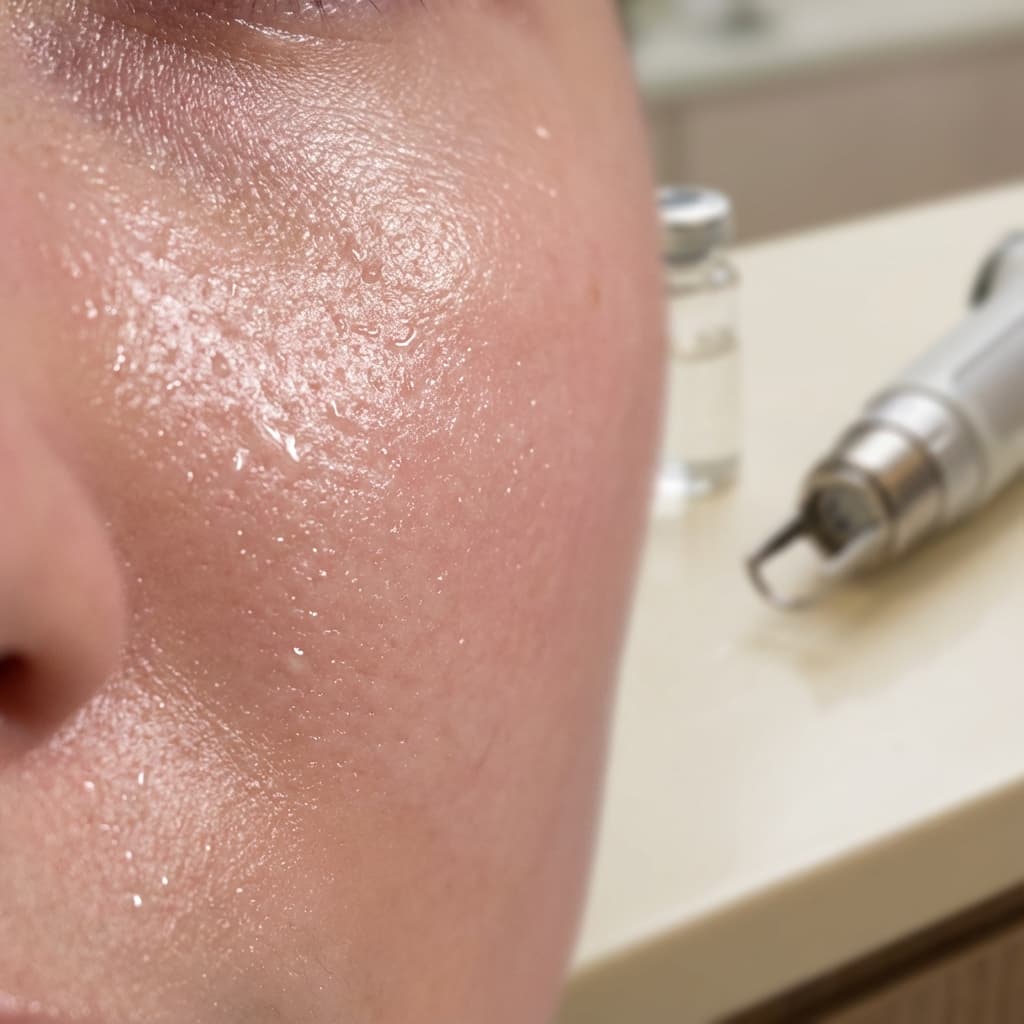
Tissue Defects
Procedure Description
Benefits
- Coverage of defects (traumatic, oncological)
- Restoration of function and form
- Use of autologous tissues (better biocompatibility)
- Natural aesthetic result
- Personalized reconstruction plan
Recovery Time
Depends on the extent and method (microsurgical or not). Analgesics are administered for pain.
Procedure Steps
- Thorough examination of the defect
- Surgical planning (flaps / grafts)
- Surgical reconstruction
- Postoperative care and monitoring
Complications
- Infection
- Bleeding / Hematoma
- Flap necrosis (rare)
- Scarring at the donor site
Frequently Asked Questions
Common questions about the procedure
Please refer to the Recovery Time section for specific details on this procedure. Generally, most patients return to work within 1-2 weeks.
Most surgical results are permanent, though natural aging continues. Non-surgical results typically last 6-18 months.
We use advanced anesthesia techniques to ensure your comfort. Post-operative discomfort is managed with medication.
Light walking is encouraged immediately. Strenuous exercise should be avoided for 3-4 weeks.